A semi-supervised algorithm to estimate word weights based on a quantity of interest.
From GitHub for the latest development version:
devtools:: install_github( "mickaeltemporao/dynamic-lexicon-algorithm" )
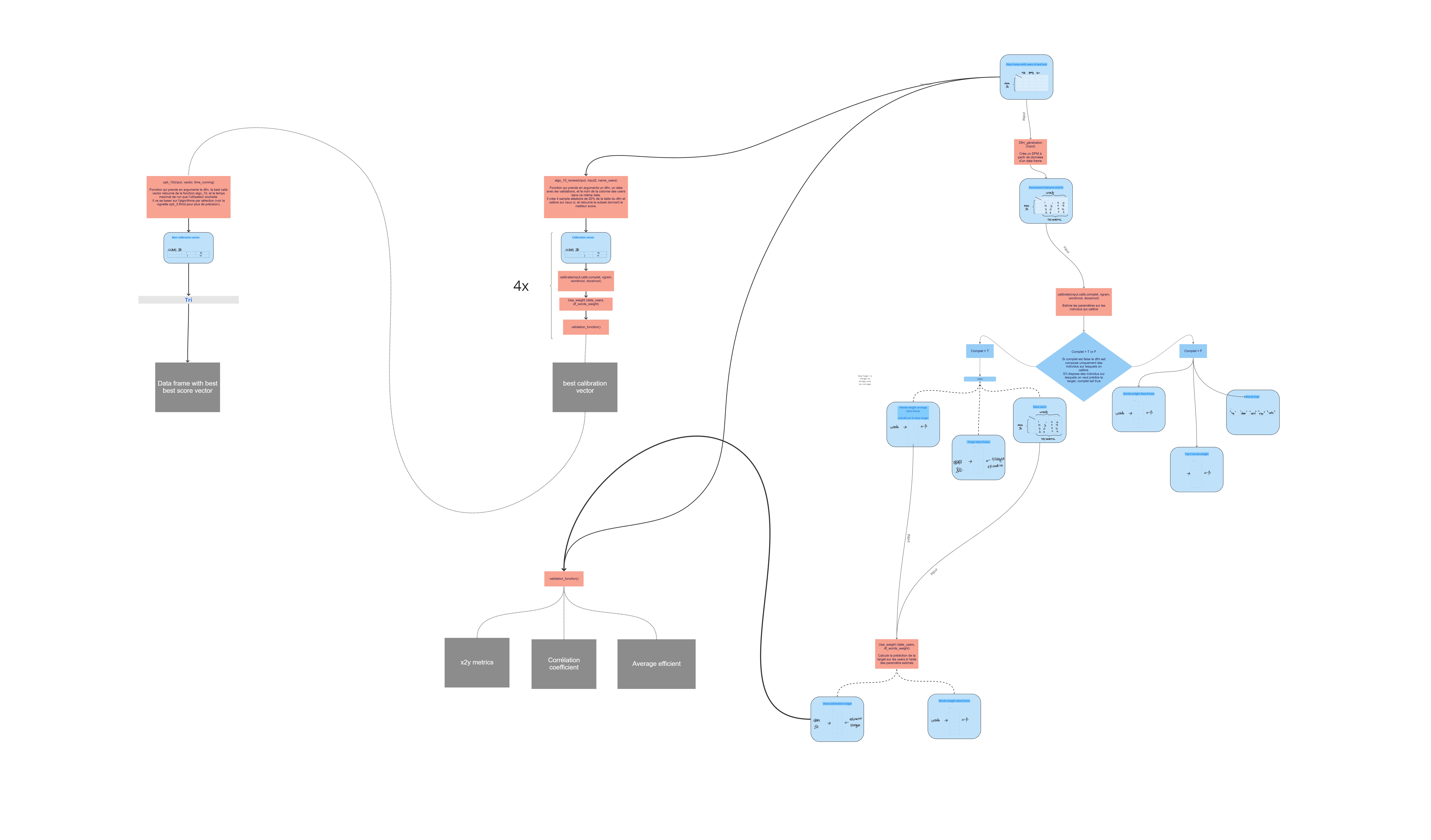
You can run the dfm_generation() function to create a Documents-Features-Matrix from a data with users and their text (tweets fro example) like this :
 tweet <- read.csv( file = "ex_tweets.csv" , encoding = 'UTF-8' )
 tweet <- subset( tweet , select = c("user_id" , "text") )
 dfm_test <- dfm_generation( tweet , 2 , 1 , "fr" )
When you have a dfm you can run calibrate() function to estimate the weights of words using the wordfish() function :
 w <- data_fixture()
 dfm <- w[[1]]

 x <- calibrate( dfm , complet = T , c( 1 , 2 , 3 ) )
 data_users <- x[[2]]
 word_df <- x[[1]]
 opini_target <- x[[3]]
Then use the weights calculate previously on the others users with the function named use_weights(). It will calulate the target choose :
 w <- data_fixture()
 dfm <- w[[1]]

 x <- calibrate( dfm , complet = T, c( 1 , 2 , 3 ) )
 data_users <- x[[2]]
 word_df <- x[[1]]
 opini_target <- x[[3]]

 y <- use_weight( data_users , rownames( word_df ) , word_df )
 opini_users <- y[[1]]
 word_wei <- y[[2]]
Now you have a data frame with the weight of words and a data frame with the prediction of the users.
You can now run the validation with the data prediction and the real opinion's data.
 w <- data_fixture()
 dfm <- w[[1]]

 x <- calibrate( dfm , complet = T, c( 1 , 2 , 3 ) )
 data_users <- x[[2]]
 word_df <- x[[1]]
 opini_target <- x[[3]]

 y <- use_weight( data_users , rownames( word_df ) , word_df )
 opini_users <- y[[1]]
 word_wei <- y[[2]]


opinions_df <- rbind( opini_target , opini_users )
opinions_df$users <- as.numeric( opinions_df$users )
opinions_df$opinions <- as.numeric( opinions_df$opinions )

s <- validation( opinions_df , df_val , "users" , "users_id" )
If you don't have the vector calibration you can run the function algo_10_review who the best vector with 4 sample : (see "hyper_param_opti.Rmd" for the xplication of hyper-parameter choose)
w <- data_fixture()
dfm <- w[[1]]
val <- w[[2]]

remove(w)

s <- algo_10_review( dfm , val , "users_id" )
Then you can run the function opti_10() who take the best calib vector return in the last function algo_10_review() et run an optimization algorithm. For the moment the optimisation algorithm we use is the one explained in "idee_opti3.Rmd", as it is the fastest and most efficient.
Example :
x <- s[[1]]
opti_10( dfm_fixture , x , 300)