

Status: This repository is under active development and subject to continuous updates.

This project explores the use of machine learning (ML) to detect and suppress radio frequency interference (RFI) in radio astronomical observations.
RFI, mainly originating from terrestrial communication systems and broadcasting services, is a major challenge to maintaining data quality in radio astronomy. Although traditional mitigation techniques such as filtering, shielding, and time and frequency analysis are widely used, they are becoming less effective as datasets grow in size and complexity.
Recent progress in ML shows strong promise for adaptive, scalable, and high-precision RFI mitigation. By learning from large datasets and applying advanced algorithms, these methods can substantially improve the quality and reliability of radio astronomical data.
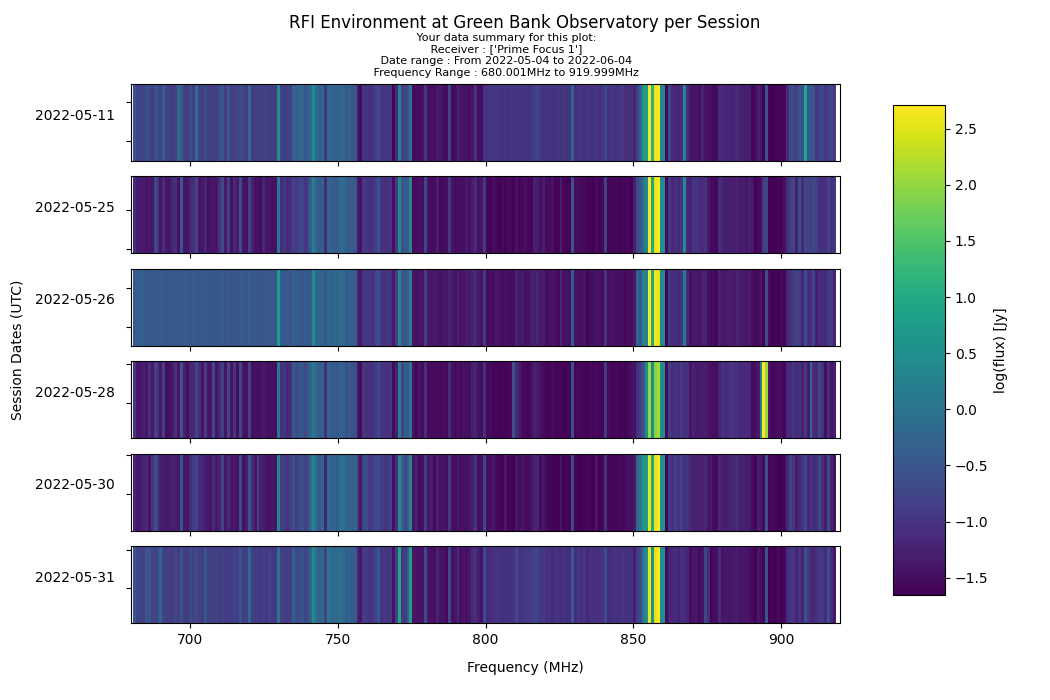
| Organization | Role |
|---|---|
| Center for Astronomy, Space Science and Astrophysics (CASSA) | Lead research center |
| Center for Computational and Data Sciences (CCDS) | Collaborative partner |
| School of Physics, Universiti Sains Malaysia | Academic partner |
Radio astronomy is particularly vulnerable to interference from terrestrial and satellite-based transmissions. The rapid expansion of satellite constellations and global communication networks has made this challenge more severe, often resulting in corrupted data and false detections.
| Challenge | Impact |
|---|---|
| Satellite constellations | Increased interference density |
| Global communication expansion | More complex interference patterns |
| Data corruption | Loss of scientific observations |
| False detections | Misidentification of astronomical signals |
By integrating ML and AI approaches, this project seeks to establish robust pipelines for automated RFI identification and mitigation, advancing the field beyond the limitations of traditional techniques.
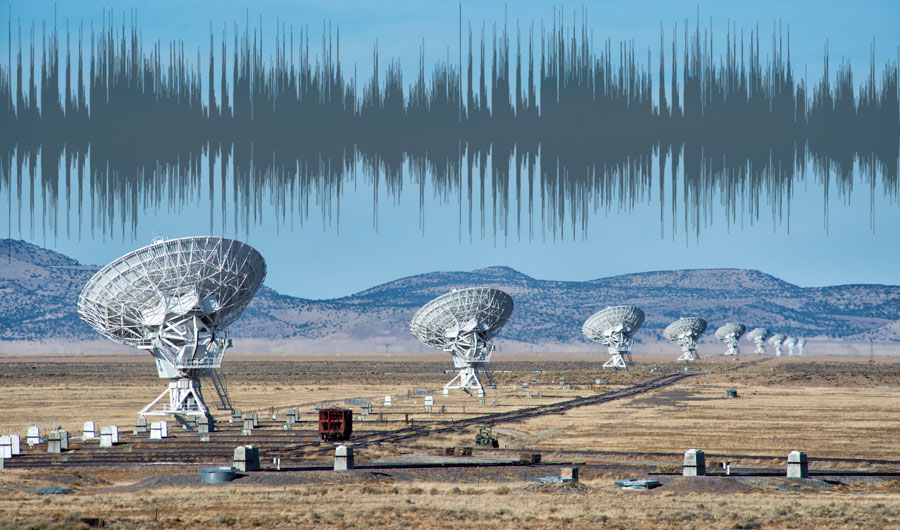
A review paper inspired by Ndung'u et al. (2023) is currently in preparation for submission to New Astronomy Reviews.
- Benchmark widely adopted ML models on representative datasets
- Develop novel algorithms tailored to RFI mitigation
- Establish best practices for RFI detection and suppression
| Area | Goal |
|---|---|
| Algorithm Development | Specialized ML architectures for real-time RFI detection and suppression |
| Data Accessibility | Expansion of open-access datasets to foster reproducibility and benchmarking |
| Standardization | Establishment of standardized evaluation metrics and benchmarks for cross-comparison |
| Collaboration | Exploration of interdisciplinary partnerships with data science and signal processing communities |

| Source | Topic |
|---|---|
| NRAO Public Blogs | Interference from a Busy Planet |
| NRAO Spectrum Management | RFI Monitoring and Mitigation |
| AAS COMPASSE | Radio Frequency Interference |
| Source | Topic |
|---|---|
| Astronomy.com | Radio Interference from Satellites is Threatening Astronomy |
| SpaceNews | Radio Noise from Satellite Constellations |
| The Conversation | Proposed Zone for Testing New Technologies |
This project is licensed under the MIT License. See the LICENSE file for details.
Adrita Khan
| Platform | Link |
|---|---|
| adrita-khan | |
| @Adrita_ |